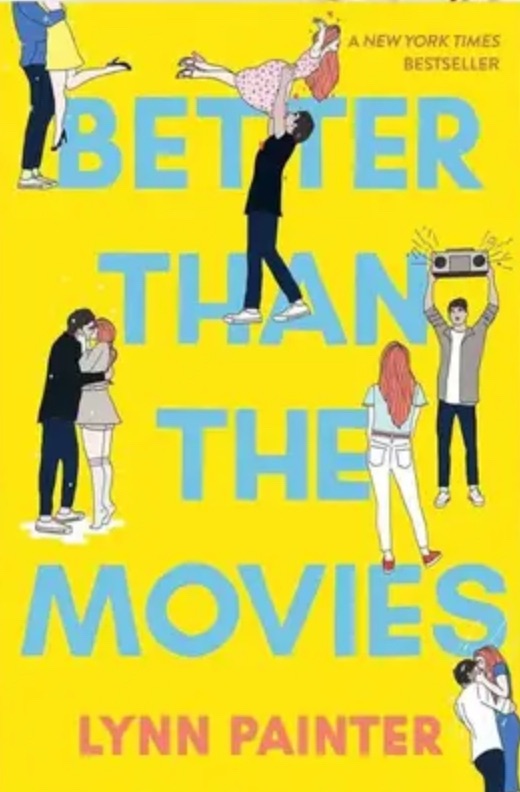
This was a fun enemies to lovers rom com that I breezed through quickly. It’s light and fun and hits lots of the iconic rom-com moments from movies that Liz loves so much. For me personally I found it a little too surface level, unlike Betting on You the characters didn’t have the same chemistry and tension. This feels younger than Betting on You, (which I loved) which I think is what threw me off. This feels very much younger YA compared to Betting on You and I think that if I had read this one earlier I may have enjoyed it more.
There were just too many things that annoyed me with this book. I felt like Liz changed herself massively for Wes, and in pursuit of the other guy, which I always hate. This was published in the 2020s, we should be over the Girl Changes Herself trope, yet that was a huge part of this book and yet nobody questioned it? Wes was just happy to change her from the ‘odd’ outfits she wore before and enjoyed shopping with her? I think this was supposed to be a cute moment but no. Just no.
I also hated that the childhood friends-to-lovers i was promised was more bullies to lovers. Wes and Liz’s prank war could have been fun if it was in good humour, but Liz wasn’t enjoying it and he was escalating the pranks to a ridiculous degree like duct taping up her car so she couldn’t get to school. It just did not hit well at all, and I am not going to read the sequel because what was this?
If you want to read Lynn Painter I would recommend Betting on You more because it just hit so much harder for me and the romance was sizzling off the pages even when nothing romantic was happening!
Romance – Sweet – 1/5 – its a no from me.
World – 3/5 – its our world but very high school rom-com energy.
Characters – 4/5
Plot – 3/5 – it does what every rom-com plot should, and I cant complain of anything but there just wasn’t anything that really reached out to me and stood out from the other rom-coms I’ve read.
Content Warnings: mothers death, several years prior.
Romance Rating: Sweet – kisses, some making out but nothing close to any doors closed or otherwise.
Why is age gap EVERYWHERE? I cannot open a fantasy book – even if it is a high fantasy, and the romance is the tiniest of subplots that takes up less than 1% of the book! – and not end up with an age gap. Some books have an equality between their main characters in their romance but it seems so common even in popular books especially if they are non human.
NB: Some spoilers (light or as many as you could find on a blurb) will be present in this post for Poison Study, Order of Blood and Ruin, Lightlark, Throne of Glass.
I am going to break down human age gaps first then move on to paranormal and fantasy races etc.
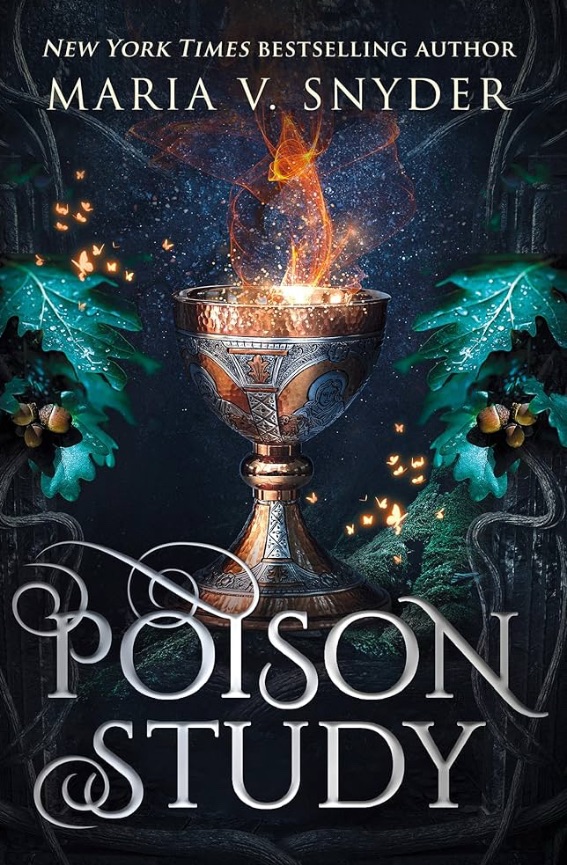
One of my most recent reads, Poison Study by Maria V Snyder had an age gap. A huge one, 19 and 33. I have read it a few times before when I was younger but it always is something I wince at. It just seems so odd, and exaggerates the power dynamics between them – I have written another post on Equality and Power which talks about power dymanics outside of Age Gap – when honestly it isn’t fully nessacary. Yes, Valek was supposed to help the Commander to power and that had to be early enough that Yelena was in the country and the orphanage, but I really wish something had been done to age up Yelena or nudge Valek down out of his thirties because that is a gigantic age gap.
I am not blaming this book specifically, another book I absolutely adored and read over and over (title retracted because of spoilers) has an age gap which gets worse during the series. In the beginning it is sixteen and twenty, which was pushing it a bit, but I was willling to let that go. Then he gets trapped in a time warp in space and ages to twenty five, and she is still only eighteen. We have gone from four years (with her a minor and him an adult) to seven years with her barely an adult.
This trend of FMCS always being exactly eighteen is weird too, its like they decide to make them the age that they can say they are adults even if they essentially are not especially in comparison to the looonng lives of their love interests.
I really loved a series by KM Shea which had an age gap that somehow circumnavigated all of the power dynamics that usually come with it in a really wholesome lovely way. In that Jade is twenty six, she has an established career, she has an apartment, she has a very supportive family whom she could return to if she wanted. She is not the lonely vulnerable eighteen year old that so many vampire novels are populated with and so when Connor the vampire (who’s age is old but never quite stated and it’s a spoiler so I wont say) comes along they have a relationship first as friends and then lovers that doesn’t fall into the toxic almost fatherly but sexual relationship which I find so odd in many fantasy books.
We’re on non-human relationships now so lets consider some more!
Lightlark (I’ve only read the first one!) has two love interests both of whom are old. Much older than our eighteen year old heroine Ida (again eighteen! And I honestly am not even annoyed at the author at this point, it is so so common its an industry problem and societal more than a personal thing as the trope is so easy to fall into.) They are fae like elementals and live for a long time and it works with the lore and the worldbuilding. But I refuse to believe that it isn’t possible to a) age up Ida a little bit. B) pop a few more rulers in the timeline so that Oro and Grim are younger or c) do both! I would love a heroine who is several centuries old (if you have any recs drop them in the comments!) but it is so so rare.
A series I love and haven’t finished, the Throne of Glass by Sarah J Maas (I’m trying to pick out popular examples but its so frequent I could do more) features a thousands of years age gap between Caeleana and Rowan. Lets not start on the power dymanics of her relying on him to control her magic or that he treats her so badly at the start, but the age gap itself is huge. I believe she is nineteen at this point, possibly even eighteen or twenty but either way she is a long long way from several thousand.
The Trope of the older mysterious man is so so common that I cant even hate the books that they are in (I adore some of these with my whole obsessive bookish heart) but I really think that it needs to stop. The occasional old fae is fine, but it is just so common and none of them acknowledge the difficulties of this like that they are from different generations and often cultures, with different expectations.
I digress to go read but what are your thoughts on this incredibly popular trope that is rampant in so many fantasy books?
I have so many thoughts about this one because it is such a difficult read to review. This is the third time I have read this book and it manages to surprise and horrify me even though I know what is going to happen.
I think I’m going to start with the romance, because this is the most difficult part to pin down, especially with no spoilers. We do have romance close to the end (I rated it Sweet) but I really struggled with the age gap, 19 and 33, and I think that might be why I cannot give it a full five stars. Fantasy so often has these HUGE age gaps and sometimes when it is within human lifespan parameters it is trickier for me to except than when the MMC is like five hundred plus years. If we ignore the age gap, and the power dynamics, I do really enjoy how the enemies-to-lovers trope is drawn out so they are properly enemies first.
The world is military fantasy based. The Commander has taken over from the old king, divided up the kingdom underneath Generals and everyone is assigned to a specific duty. I would have loved some more exploration of that, but the touches we did get showed the effects upon the people of the palace. It is really clear how Yelena sees the world especially after her very traumatic experiences, and the subsequent betrayals mean that we see through her a world that is grimly political and mostly emotional less.
Characters – 4/5 – I enjoy them a lot!
Romance – 3/5 – Sweet – I have already said something so I will let it be.
World – 4/5 – solid fantasy world
Plot – 4/5.- there are no twist around moments that make you gasp out loud because it is a slow reveal. Part of the beauty of the plot is that the protagonist almost knows what is going to happen and what she is going to find but just cant admit it to herself yet.
Romance Rating: Sweet
Violence Rating: Level 6
Content Warnings: SEVERE – rape, (past, vividly remembered and practically on page), physical abuse, child abuse, torture, sexual assault (from a different man, this is on page, she is clothed but causes PTSD from the last time)
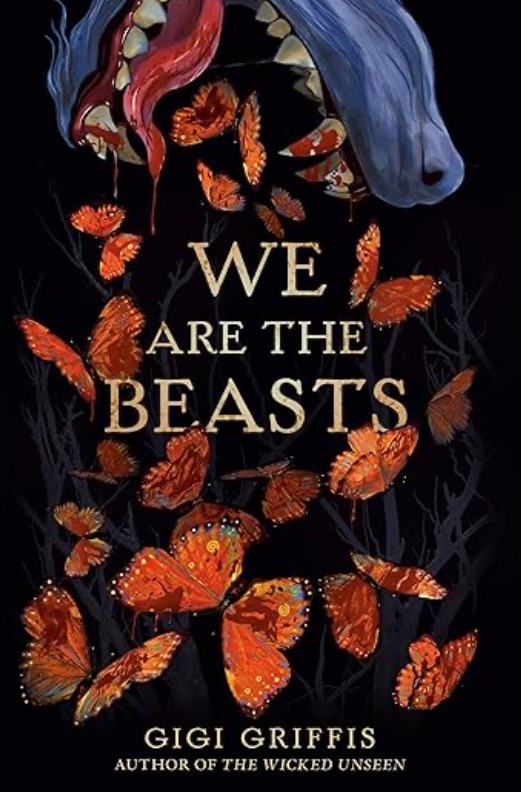
Honestly this was great! I wasn’t expecting this at all, and I may say that before but this one was a read I don’t think I will ever forget.
Set in a medieval (or perhaps colonial times? It’s tricky to pin down exactly!) French village, the Beast is a unknown power that roams the hills and kills shepherdesses, growing a reputation as something supernatural. Our two main characters discover the victim of one of the beasts hunts and a survivor of a little girl hiding in the trees and from there they decide to use the beasts murders as a cover to get the girls of the village away from the abusive men. However as the king sends soldiers to hunt down the beast, the beast itself roams closer and everyone teeters on the verge of famine, it has become far more complicated than they could have ever imagined. But it is their only chance of getting out.
I genuinely am not sure how this one has not become a booktok obsession because it is dark and twisty and teeters on the edge of the supernatural – honestly this is going to be a best read of 2025 I know it!
Plot – 5/5 – perfection.
Characters – 10000/5 – so so so good, I honestly cannot describe how great these characters are. From the insolent soldiers to the scared girls all seeking a way out to the Beast itself roaming the woods hunting its prey they are just all so complex and intriguing.
Romance – NA – there is no romance, a hint of it perhaps between the main two girls but it might just be a very close friendship. Especially with how dark it is and how they are constantly in high stress tension ruled scenarios I cant tell.
World – 1000/5 – dark and historically inspired??? Sign me up, I loved it!
Romance Rating: NA
Violence Rating: Level 5
Content Warnings: Domestic violence (a lot, but not described explicitly on page), sexual violence (hinted at, and discussed in the past, one attempt by a priest is stopped), child death.
June the 24th is international fairy day and no I am not making that up that is something that actually does exist! In honour of that I am going to be giving my ultimate Fae read- and if you have any faerie ones that are no-spice/low spice then I would LOVE to have them!
A Court of Midnight and Deception by KM Shea
The second trilogy of the Magiford Paranormal Books (so you can read the first and get your vampire hit and then read this one! Spoilers are present for the previous trilogy, but only surrounding the main couple of the last series which is probably predictably going to happen so you can take a view on that!).
This has Fae. Tea drinking, etiquette obsessed, monarch-less but snobby about the one they are given, fae. With quirks and charming cultural details, it is set in an America that knows that paranormal exist but they have to present to be charming and less threatening than their faerie myths declare. They are none the less the fae of the myths, bound by tradition and powerplays within them but when the half-human Leila becomes their queen, the Night Court is at its most vulnerable.
If you like tropes here are some!
Marriage of convenience
Reluctant Monarch x Grumpy Assassin
Horsies but dangerous ones
Fae Power Games
No-nonsense heroine.
Content Details
These are what is generally called ‘clean’ fiction, no swearing and no sex (or allusions to it!). I would rate this Soft on my Romance Ratings, and Level 2 or 3 on the Violence Ratings. Genuinely no content warnings either! For a general age rating I would probably say 13 and up would enjoy it the most – it’s a Paranormal Romance, and I don’t think many people in middlegrade are looking for that, but I would have enjoyed it then and I do now so honestly this is sutiable for 12+!
If you want to know what kind of world you are going to be addicted too… then here is a timeline of the rest of the Magiford Books!
Notorious Virtues was a fun trials led fantasy between two heroines from very different pasts. I enjoyed how Lottie and Honora didn’t fall into the trope of the one raised rich is evil and how Lottie wasn’t as innocent as she pretended to be to win the support of her relatives. With a love interest that is a journalist that hates the Holzafall family and a really interesting origin story of the monarchy/goverment this is a must read if you enjoy your fantasy with a side of trials!
This feels like the Inheritance Games but set in a fantasy world with a rebellion! We have trials, we have a family warring over an inheritance and we also have touches of world building that go delightfully deep and mention the economic power that these families wield.
World – 4/5 – it feels like the quintessential rebellion fantasy world but a little bit more Victorian and I honestly cannot wait for where this goes, I think the way the few locations that are described are all so vivid is really promising!
Characters – 3/5 – I didn’t love love love any of the characters but I didn’t hate any of them either (as characters, morality aside). I think that this books strength is the trials and the world and the characters were for me just a way of exploring that.
Plot – 3.5/5 – trials for me are a very predictable plot because they are so popular in fantasy right now but I did still enjoy it.
Romance – 4/5 – not there much, but what was was cute.
Violence Rating: Level 3
Romance Rating: Sweet
Content Warnings: family killing each other, magical slavery (forcing certain members to obey or die by magic, determined by heritage not race).
Let me just say I loved that she made the prince a pirate! It changes the entire dynamic, making them at sea (a place where Celeste the little mermaid) is comfortable and experienced as well as adding extra to the tensions between the two kingdoms! I have read a lot of Little Mermaid retellings that don’t make sufficient changes from the original fairytale that the plot is still entertaining to follow but the reveal at the end (even though there were clues!) I was still surprised by.
I also really liked that Celeste was able to speak and just didn’t because she knew her accent would stand out.
World – 3.5/5 – I mentioned that it was at sea, we get to see a little bit of the palace as well as generally her on the ship and then on the land for a brief amount of time. There isn’t much word building, the focus is Celeste and her personal relationships.
Romance – 4/5 – It was predictable, after all one of the major points of the Little Mermaid is that she falls in love with the prince, but I still liked the journey to get there and Raiden himself was interesting and I would have liked more development of his morals and character.
Plot – 3.5/5 – there was a twist at the end, but the rest of the plot stayed smooth and predictable. That isn’t necessarily a bad thing, one of the things of retellings is we know the plot but it’s the journey to get there!
Characters – 3.5/5 – Mauve the Cecaelia was actually my favourite despite her limited page time because she had the interesting position of agreeing with the siren properganda/beliefs but also being friends with someone who is muddying up the waters (sort-of-pun intended!).
Damsel Reader Recommendation: 13+, for lovers of fairytale retellings!
Violence Rating: Level 3
Romance Rating: Sweet
Content Warnings: she is stripped at one point, I was worried it would lean into SA but it balanced on the edge.
This is a simply stunning book that felt like a piece of art to read. We had so many historical and mythical references, a real mix of genres and throughout a plot that I couldn’t predict.
Let me start with the world. We have a tinge of Arthurian Legend, one of our main characters is called Arthie and she pulls a pistol from a stone. The lore around that was just so intricate too – a few sentences that don’t matter much to the plot but really highlight how everything is machined in this city that is ruled by a masked king. And Arthie goes directly against all the rules that should oppose her.
The world doesn’t stop at a touch of the Arthurian though, we also have a gloriously vivid depiction of a empire and colonialism and the EJC (The East Javeet Company = East India Company!) which throughout ties to this depiction of a city which feels at once same to our world but yet so far away in others.
From vampires that lurk the street and the serial killer vampire that gave them their bad name, the daughter of the EJC being part of a huge heist and it all led by a main character who has built an empire of secrets in the empire that stole her family.
Simply everything, it feels raw and intricate and deserves so much more hype than it has!
Plot – 4/5 – It was slower in the middle but the first and last 100 pages were simply breathtaking.
World – 5/5 – I’ve already gushed about this and I am sure there are details I have missed because it is just so full of tiny details that I cant wait to pick up on my next read-through (because this is going straight back on the reread pile!)
Characters – 4/5 – yes. Just yes. They all have personalities and they all have secrets and they all have motivations and honestly I just need the sequel now!
Romance – 5/5 – Sweet – oh this gave me all the butterflies. Honestly the wait was worth it and I need all the details because the last few pages have me in a whirlwind of theories!
Damsel Age Recommendation – 14+B
Romance Rating: Sweet (kissing, cuddling, clothes on, very mild innuendo) – honestly this one almost felt Suggestive but that’s just because the characters had such chemistry – in actuality there is hardly any kissing just all the chemistry in the world!
Violence Rating: Level 4 – but there is no SA in it, this is for the violence!
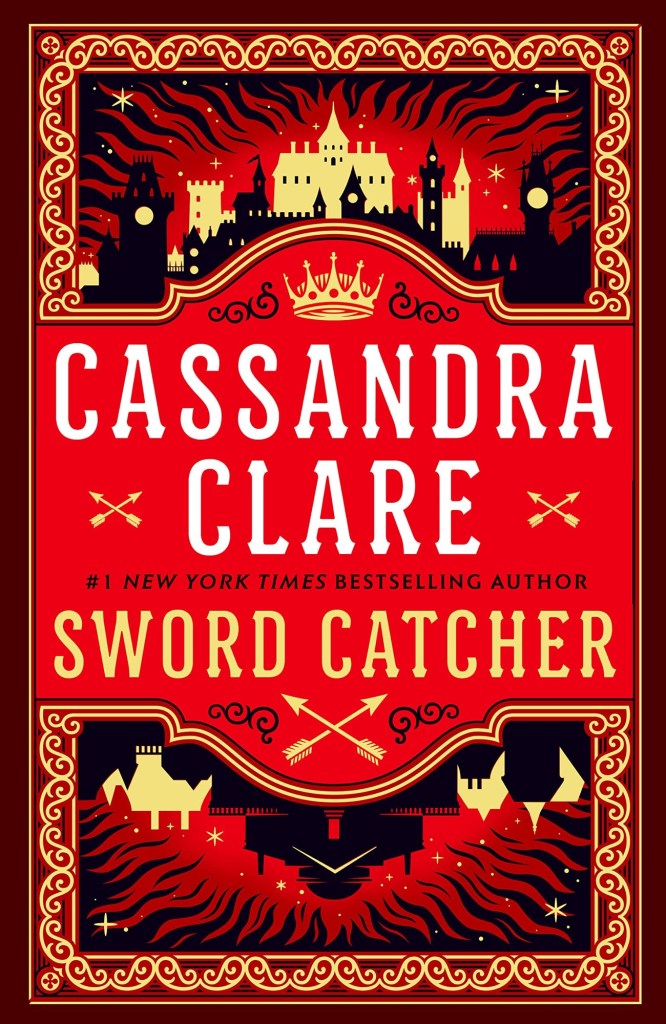
While I don’t read Adult fantasy usually (especially because of the sexual content) I did enjoy this one and picked it up because I had checked it didn’t have a lot of open door scenes.
The complicated politics and morals of the main characters was really interesting especially as Kel (the sword catcher) refused to adknowledge that he was essentially a slave to die for the prince. This idea of a child being chosen from an orphanage and sent to essentially make friends with a prince so he can die for him is stunningly executed. Kel himself is so interesting because he almost sees himself as one of them, until later on he doesn’t even realise that people don’t see him as him, they see him as his persona of the princes cousin. He has been raised as a noble – but never as one of them. He exists in their society as a shadow of Conor, the prince, and even when he interacts with ‘their’ friends, they are Conor’s friends and it is always in defence or to aid Conor.
Conor himself who is the other end of this Sword Catcher relationship is so interesting because he is cruel and thoughtless and for a lot of the book drunk but his actions have such huge ramifications that he is completely unaware of. He has Kel’s complete loyalty because Kel loves him like a brother and hasn’t realised yet that the boy prince he knew has grown up to be honestly one of the most complex and hatable yet pitiable characters I have read for a while!
Lin is the other POV in this book and her perspective is so much different from Kels and Conor’s that we really get to see just how oblivious the Hill are to the politics and what is happening in the city. Lin’s goals are so clean cut compared to the other characters and whenever she enters a scene she changes it because Conor and Kel and the other nobles don’t know how to react to a woman who doesn’t care about their power plays and reacts to injustice as injustice not twisted protection.
I am so bowled over by the characters that I havent talked much about the world while is so eqistiately done or even the plot which was aborbing and had me reading for hours none stop but I need to move on to the star ratings so let me just say this! All the minor characters were fledged out and I really enjoyed some of them like Antonetta and Vivanne and loved to hate a few of the others! If an author can make you feel such strong things about side characters then the main characters’ arcs and morals and complexities are even more delicately done.
Romance – 3/5 – Swoony B – I’m not sure if you can call it romance, there is just a lot of sexual references and presence throughout which does give it this romance rating. The shortfall of romance ratings is that when there is sexual content out of a relationship or even the named cast it can be tricky to define so look at the content warnings!
Plot – 4.5/5 – I was captivated from page one, this is political fantasy but it doesn’t feel hard to read or understand. I would say that if you are looking to read an adult fantasy then this is probably a good place to start!
World – 4.5/5 – honestly stunning I loved it so much and I cant wait to return to it!
Characters – 5/5 – oh you know I gushed about them in my answer and honestly I cant deny that these are some of the best characters I have ever read. So I loved it and I need to read more of them!
Genre: Adult Fantasy, Political
Damsel Reader Recommendation: 16+B but only if you are comfortable with the content warnings!
Romance Rating: Swoony B
Violence Rating: Level 4
Content Warnings: there is a lot of prostitution and brothels present on page, (many of the main characters hire courtesans regularly and spend time in brothels), naked portraits of women are passed around at one point (minor detail, just says they are nude). The amount of courtasans on page made it definitely worth a Swoony B rating even if we get few romantic moments between the characters it is happening around them. There is also racism between different fantasy cultures.
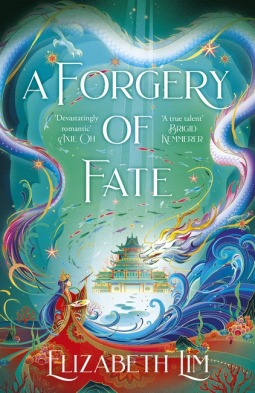
I wasn’t expecting this but oh my goodness did I love it! We have this gorgeously vivid world full of little details and quirks that make it fantasy. It reads like a fairytale especially closer to the end – I read it was a beauty and the beast retelling but honestly it is so far away from the original and improved that I wouldn’t have made the connection otherwise! When I did realise it made for a happy discovery because then I could link all the little bits and pieces!
Tru as a heroine is so delightful to read because she bonds two of my favourite heroine attributes together: she is strong and has been strong in her own right for years and her ability is not ‘discovered’ by the romantic interest, it is something that she has already wielded for years on her own. She is a painter, forging early masters in dead artist’s style so that her and her family can survive on the little food and shelter that she can work for. Unlike a lot of heroines who are warriors she is a creative which was so lovely to read and definitely memorable!
The imagery and world of this book were honestly just exquisite especially for the first 30% or so when we were in Tru’s world. It felt so real and all the little details that had been added as we jumped into Tru’s ‘just on the slight side of illegal’ life style was honestly flawless.
I also love that Elizabeth Lin didn’t make Tru’s sisters unlikeable or vain or shallow like a lot of retellings and original versions do. It made it so much sweeter of a read for me that I wasn’t annoyed over that.
To the star ratings!
Romance – 4/5 – Soft Romance – This was such a lovely romance, I really loved the scenes they got together and the ending was just *chefs kiss*
Plot – 4/5 – While it was relatively predictable I still enjoyed it and as the focus was on th relationship and the resolution of the enemy I didn’t mind it!
Characters – 4/5 – honestly these characters were beautiful they were so distinct and yet tied together by various things that honestly I can remember them all – which I always like to be able to do by the end of a book! Some books characters just fade away instantly but these were really good and I enjoyed them!
World – 5/5 – gorgeous. Just gorgeous.
Age Recommendation: YA – 12+ – while I think that older readers would also enjoy this it is a romance that I would be happy to give to a 12 year old and it feels on the lower age end of YA.







 Damsel in Delight